

Doko Recyclers and Connecting Space recently partnered to organise a waste management training and community bin installation program on December 22nd at the Bankatta community of Madi village, Chitwan. The journey to reach the village was quite interesting, as we had to cross two small rivers, where we discovered how improper waste disposal methods had impacted the beautiful rivers. The villagers of Bankatta were unaware of waste management practices and used both plastic and firewood to combat the cold. Thus, they were given intense knowledge and training to understand proper waste disposal methods and promote sustainable practices.
With the help of Connecting Space 11 clusters were formed in the village. Each cluster in the village selected one representative to ensure effective communication and coordination between the clusters. The program began with cluster representative meetings with key community stakeholders, where they discussed the current waste generated and practices for waste management, including various challenges of waste management faced by the community. The cluster representatives were trained to monitor waste generation and coordinate with scrap centres for recyclable waste and the municipality for non-recyclable wastes
The training session was held at Shree Rastriya Adharbhut Vidyalaya, where students, teachers, and other staff members were educated about the different categories of waste along with useful waste disposal methods. They were also introduced to the colour-coded community bins and made aware of the negative impacts of improper waste disposal. The goal was to develop a sense of responsibility among the younger generation to help lead their elders in the process.
These sessions focused on explaining the correct use of community bins and the significance of segregating recyclable and non-recyclable waste. Doko provided practical training to participants, teaching them to identify waste, how to effectively segregate waste, and how to use designated bins for different types of waste. Surprisingly, a few school students showed immense enthusiasm and joined the training sessions for nearly 10 clusters, eager to learn about waste segregation.
The recyclable waste collected in the community bin, selling it to the scrap centre or the cycle hawker was a viable solution that was seen as cycle hawkers frequently came to the village and collected some of the waste. Therefore to fulfil this objective, a field visit to scrap centres near Bankatta village was organised which provided insights to the whereabouts of recyclable items that could be taken after the bins were filled. These centres will eventually play a crucial role in processing recyclable items as they can collect the generated recyclable fraction of waste to suitable recycling industry, which then can be transformed into new products or materials. The program helped provide information for nearly three scrap centres that accept various types of recyclables items. By selling recyclable items to these centres, community members can contribute to the recycling loop, conserve resources and reduce waste. The community members most likely can also now earn some money from this same loop.
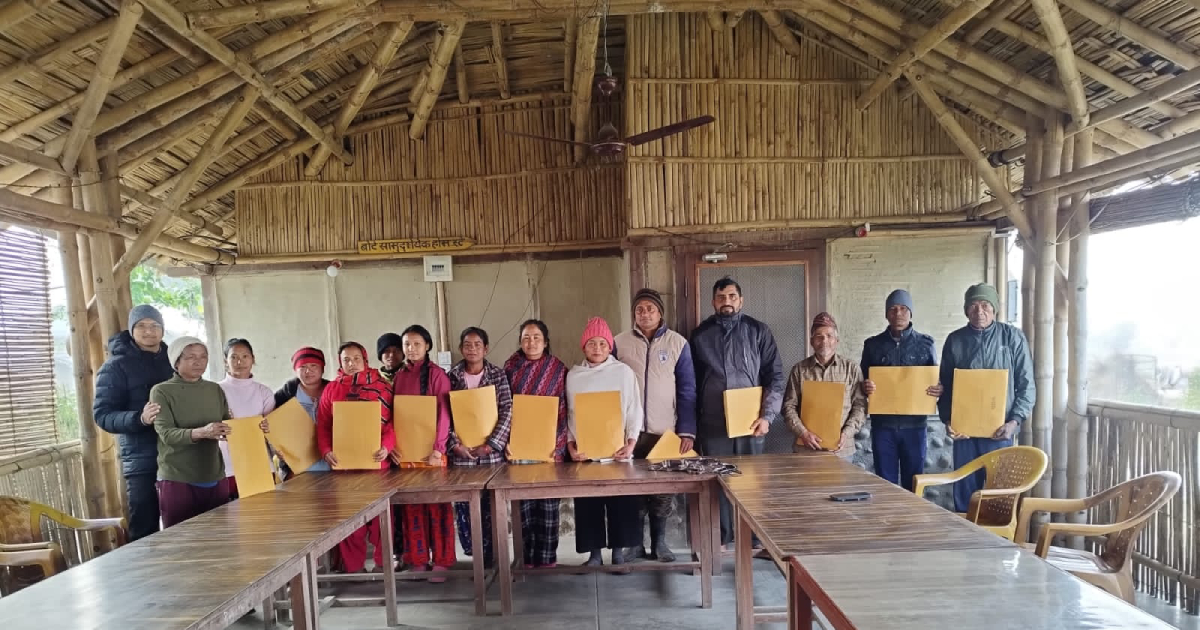
After the cluster-wise training and visit to the scrap centre the cluster heads from 11 clusters attended a final training at the Community Culture House where they reviewed project objectives and roles, including contacting local scrap vendors and waste pickers for selling and disposing waste in community bins. Contact details and waste audit forms were provided to each of them. Each cluster also received a comprehensive booklet on waste management, covering topics such as types of waste, effective ways to manage different types of waste, and the importance of community involvement.
The bin installation and waste management training program in the Bankatta community of Madi village has successfully engaged cluster representatives, students, and community members in promoting responsible waste disposal and proper use of community bins. Notably, each cluster received community bins with separate compartments for recyclables and non-recyclables waste, aligning with the program’s objective to raise awareness about waste management and reduce pollution and landfill waste. We believe that these continued efforts in waste management education are essential for long-term environmental sustainability.