
Laying the Groundwork for Producer Accountability in E-Waste Management
Description
This project conducted a nationwide readiness assessment to inform the development of Nepal’s first Extended Producer Responsibility (EPR) policy for electronic waste. By engaging municipalities and over 50 key stakeholders, the initiative mapped current practices, identified policy gaps, and proposed a context-specific EPR framework. The findings aim to guide sustainable e-waste policy development rooted in producer responsibility and circular economy principles.
Impact
3
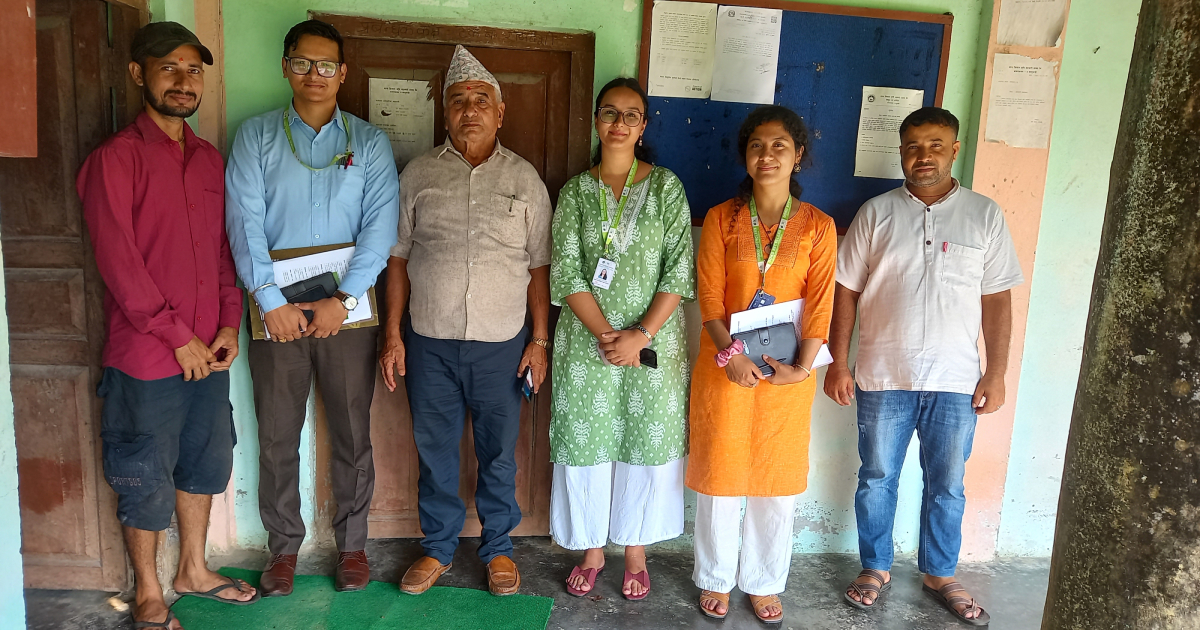
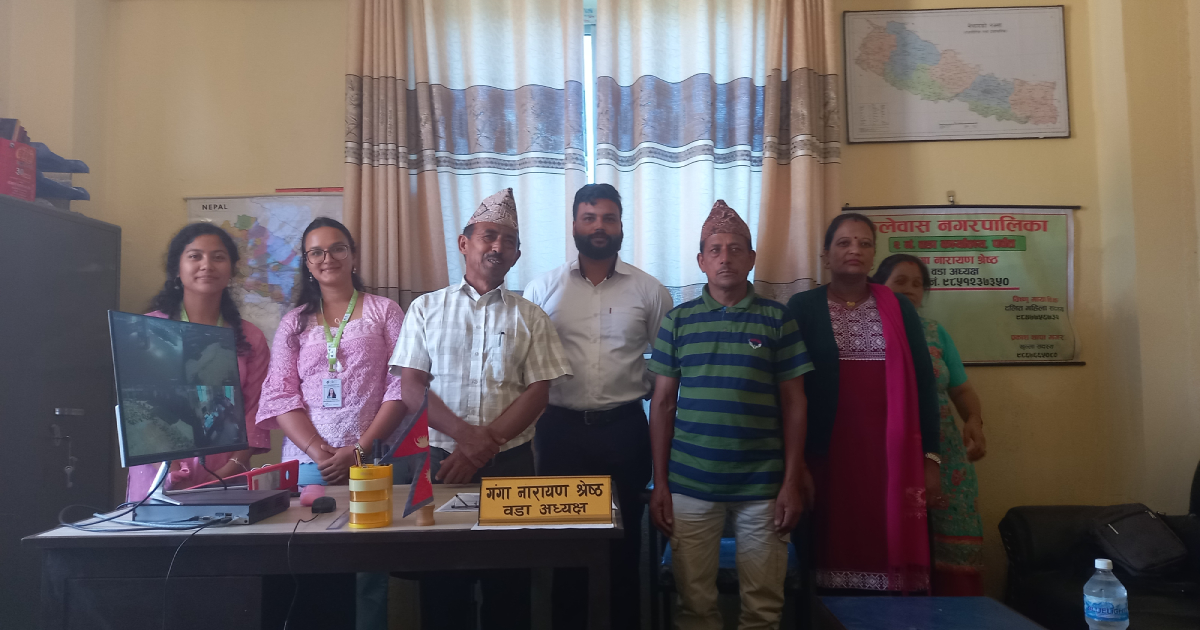
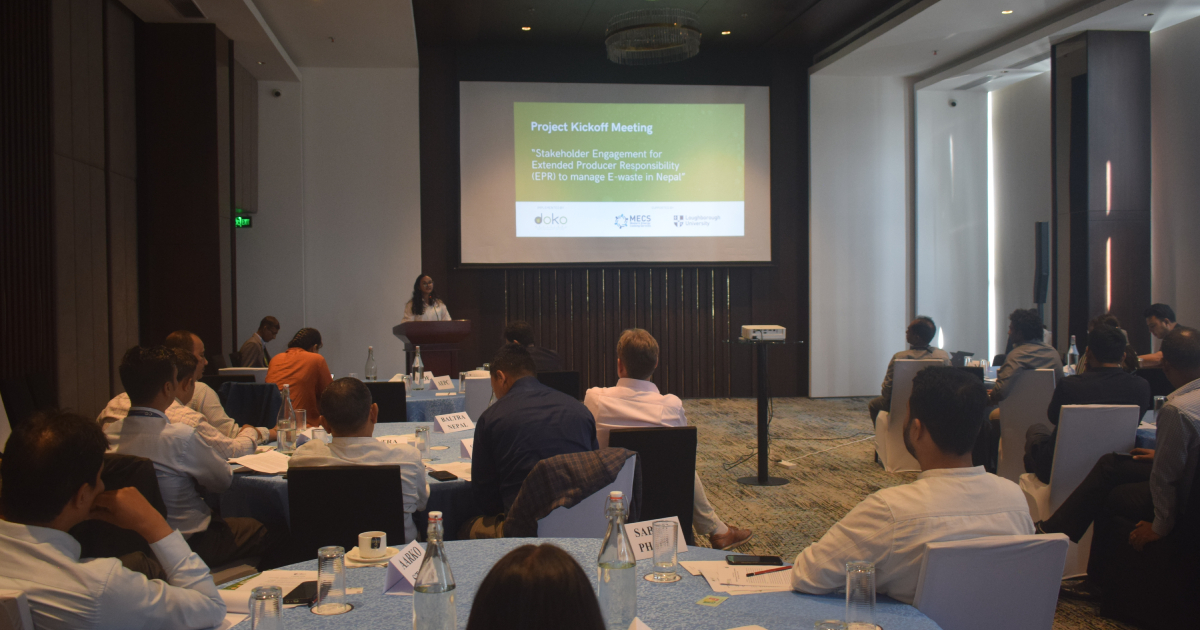
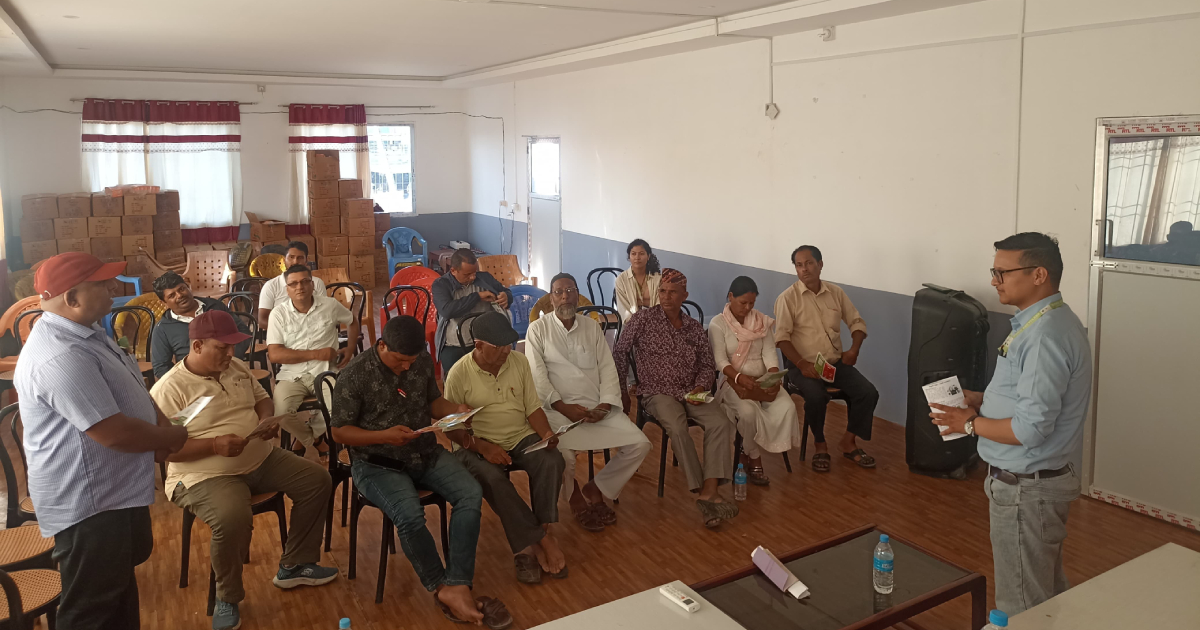
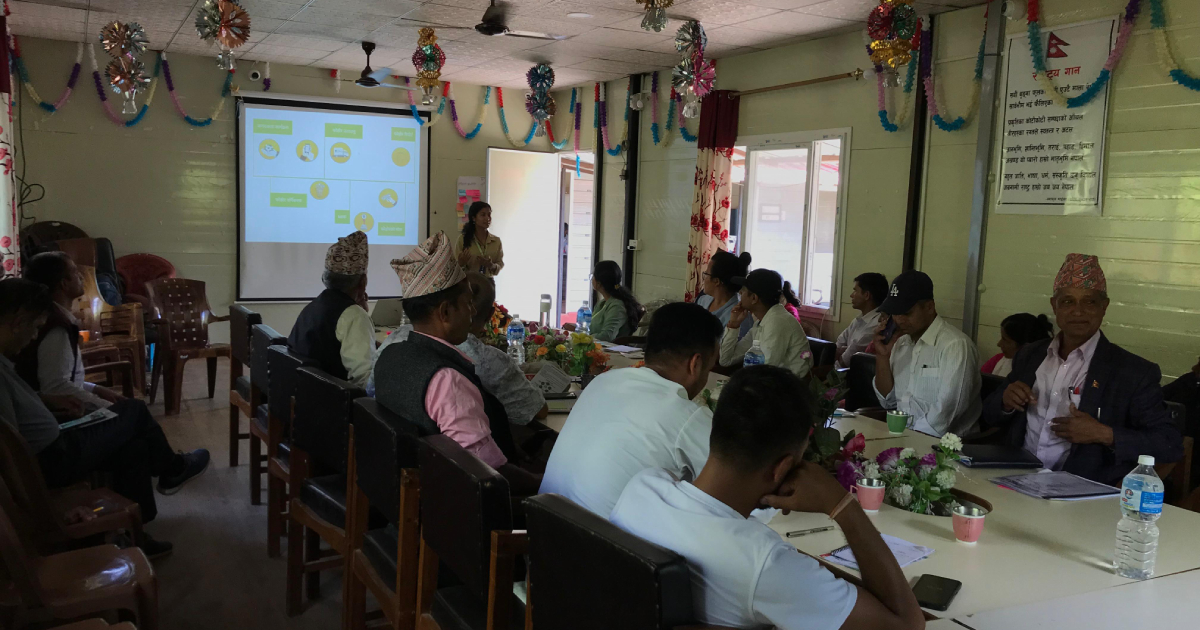
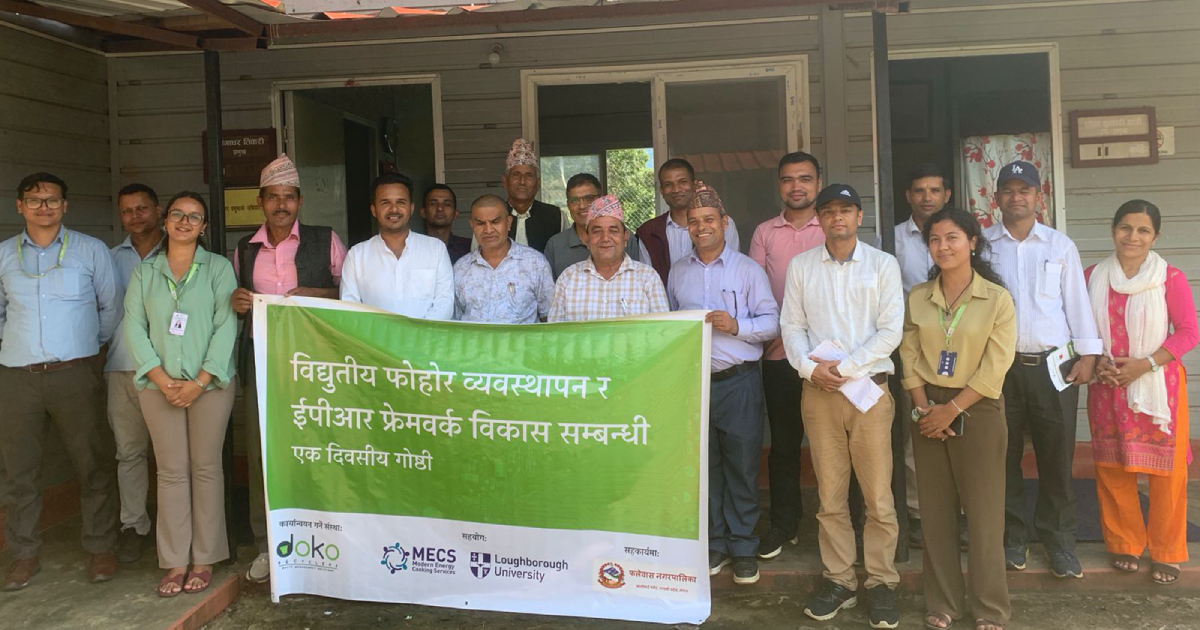
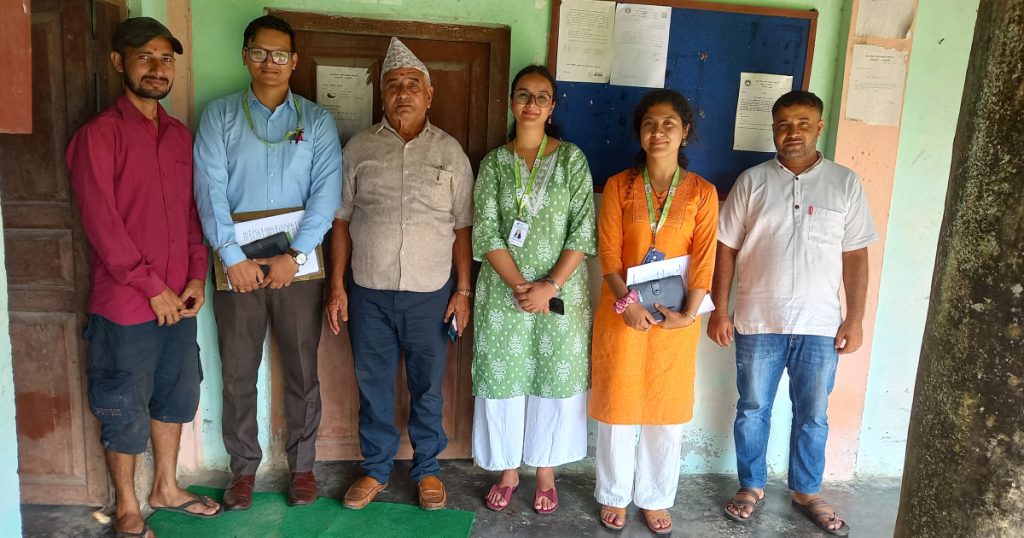
Engaged with 3 municipalities across Nepal and over 50 key stakeholders—including government officials, producers, and policymakers—to assess e-waste management practices and readiness for Extended Producer Responsibility (EPR) policy implementation.
Developed a sample EPR framework tailored for e-waste management in Nepal.
E-waste is an emerging environmental and public health challenge in Nepal. According to the Global E-waste Monitor 2020, Nepal generated approximately 28,000 tons of e-waste, with an annual growth rate of 7%. Despite this growing problem, there is limited infrastructure and policy in place to manage electronic waste sustainably.
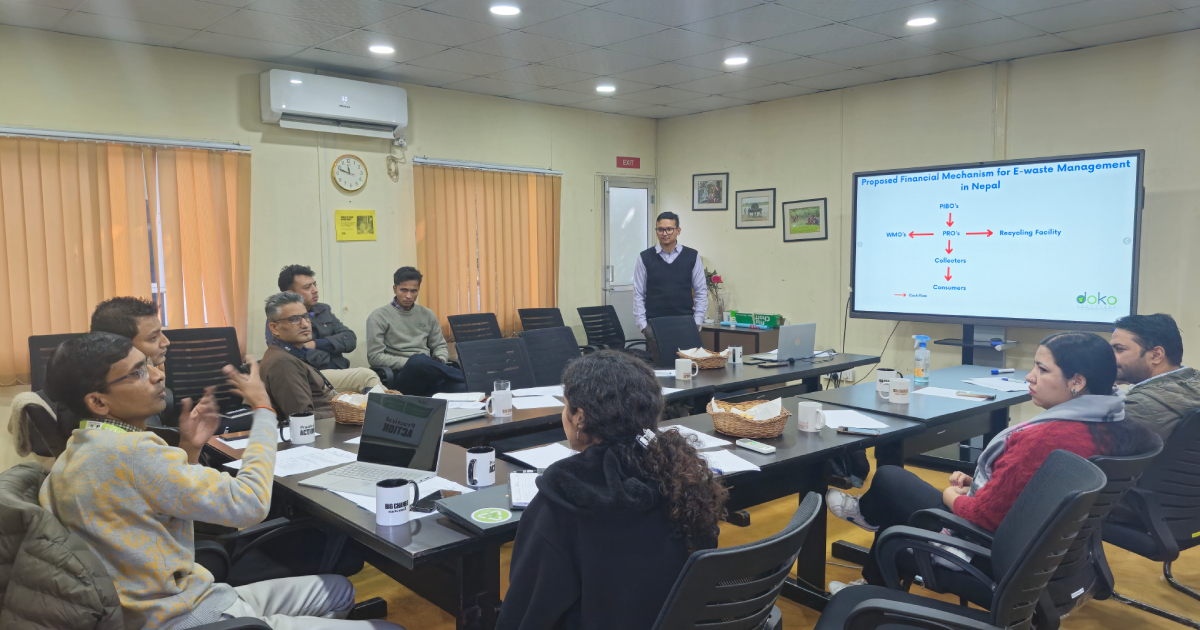
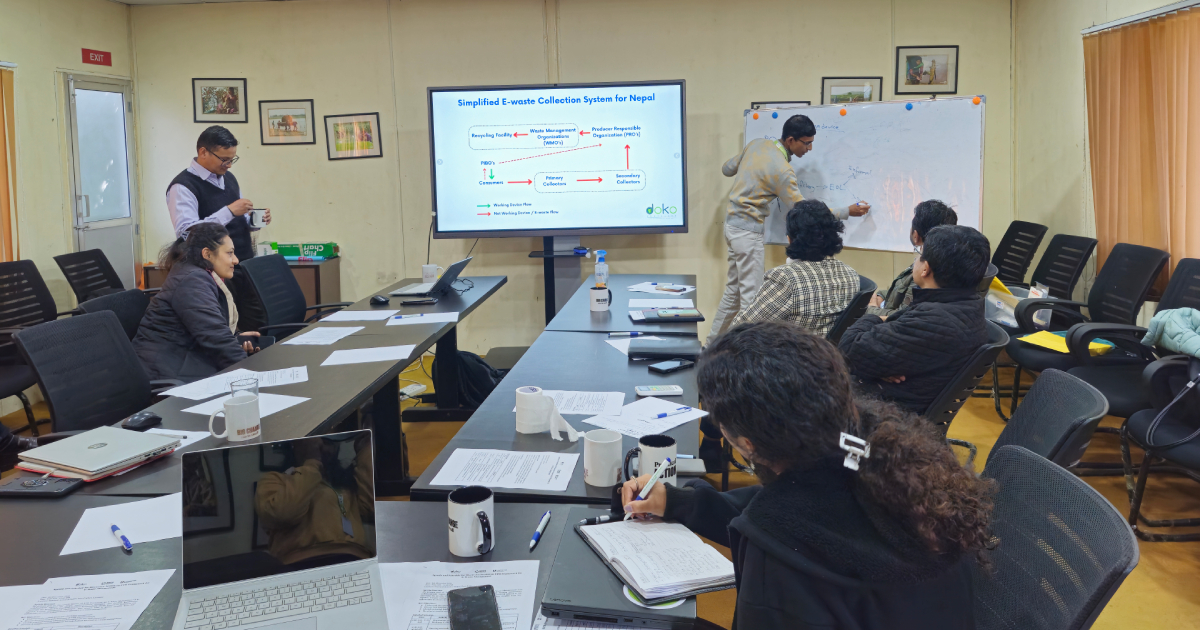
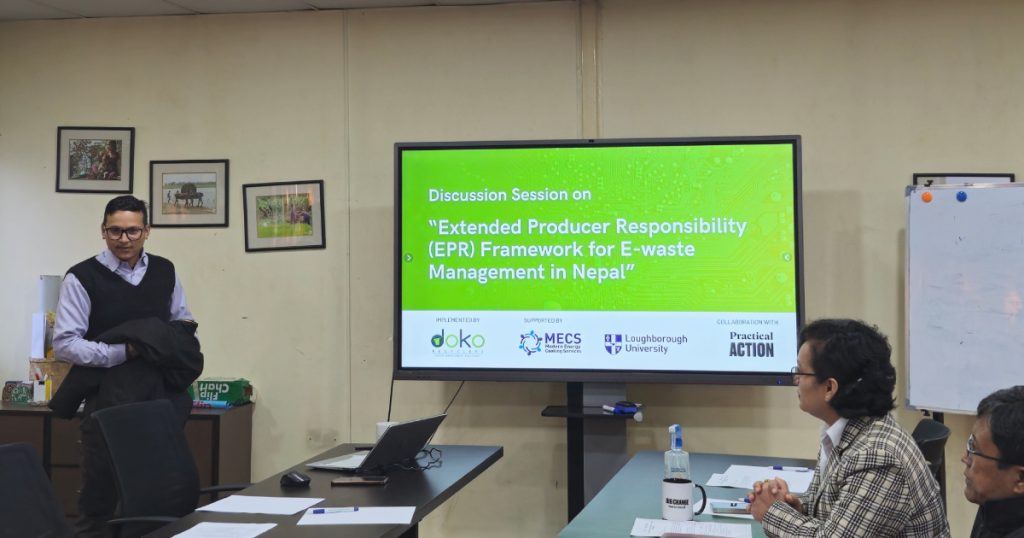
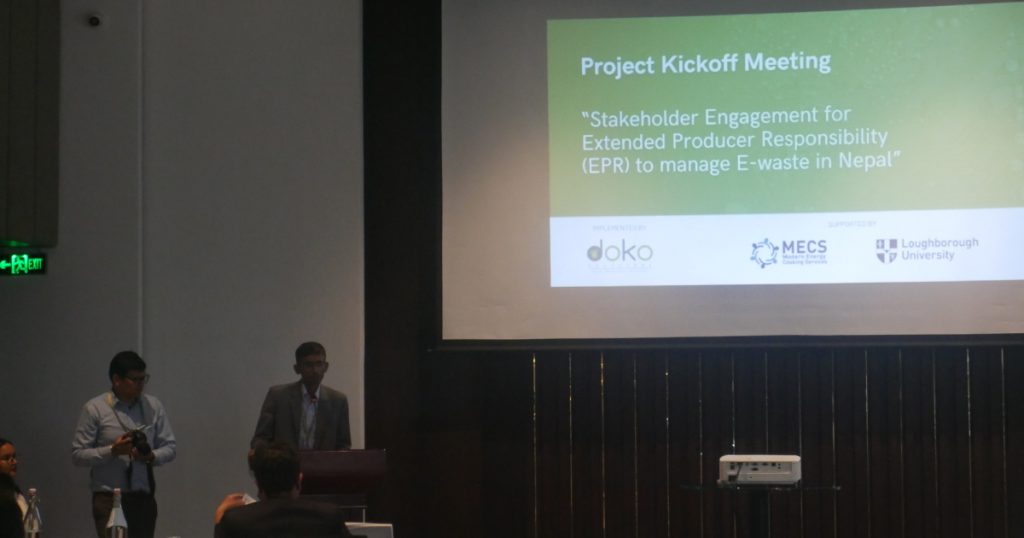
This project aims to support the development of an Extended Producer Responsibility (EPR) policy for e-waste in Nepal by conducting a comprehensive readiness assessment. Through direct engagement with municipalities in key regions and consultations with over 50 stakeholders—including government bodies, manufacturers, and policy influencers—we have mapped out the current landscape of e-waste management in Nepal.
The project explores stakeholder roles, interests, and expectations in relation to EPR, and identifies critical barriers to effective policy development and implementation. These include legal and regulatory challenges, economic and financial limitations, political and institutional dynamics, technological constraints, and social considerations.
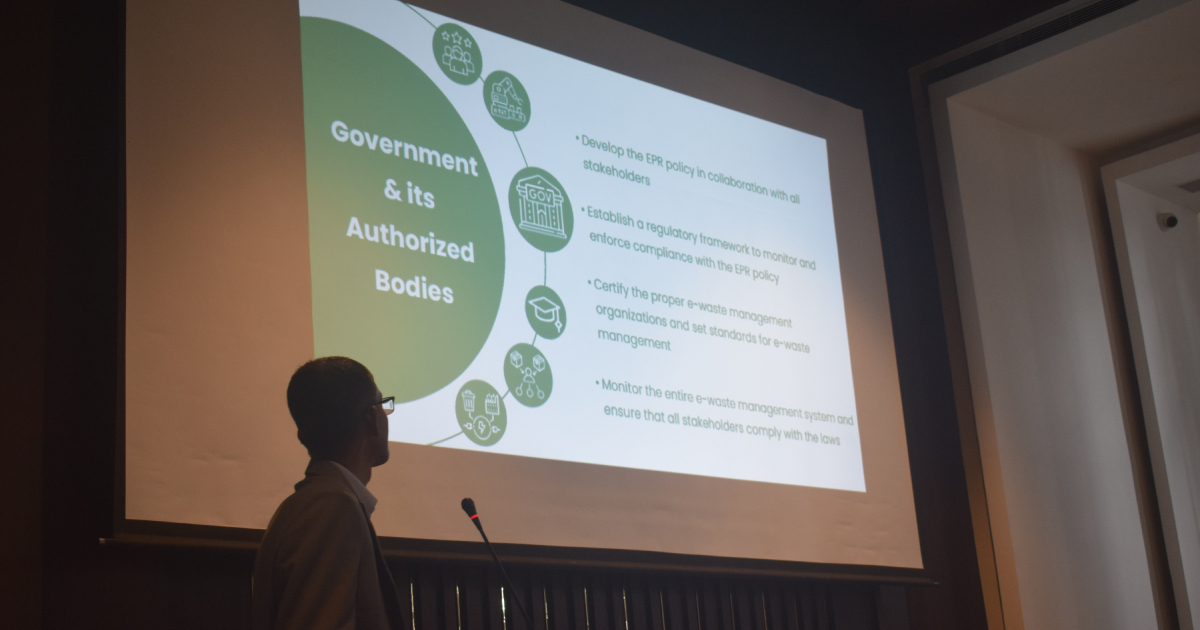
A key output of the project is the development of a sample EPR framework tailored to Nepal’s context. This framework is intended to serve as a foundational reference for future policy development, aiming to promote a circular economy and ensure producers are accountable for the end-of-life management of their products.
Project Partners
MECS, Loughborough University