

By Pankaj Panjiyar
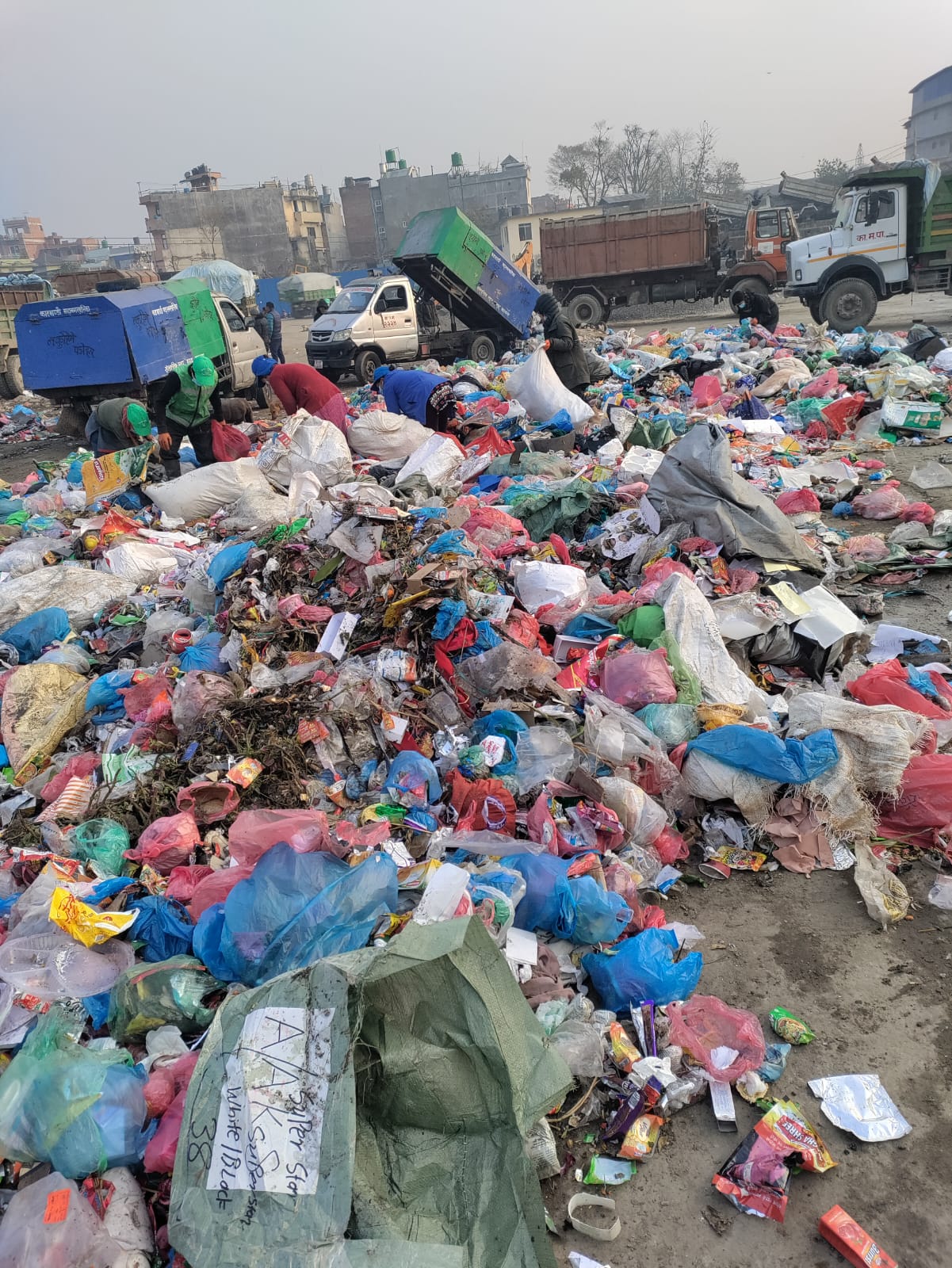
Understanding of the effective waste management in the context of Nepal is source segregation, collection, possible resource recovery (scrap only), part composting, clean roads and streets and final dumping. Looking into the present architecture of waste management in different municipalities of Nepal, collection and dumping prevails with some locations equipped with Bio Gas plants. With more than 5000 tons/day municipal waste generation (citation of World Bank report), the country is not equipped to manage even 10% of total waste generation.
Effective waste management needs multiple domains working together downstream and downstream. Since the collection channels are already established in most of the municipalities though it is not synchronized as it should be like source segregation, separate collection etc, we will talk more about process after collection.
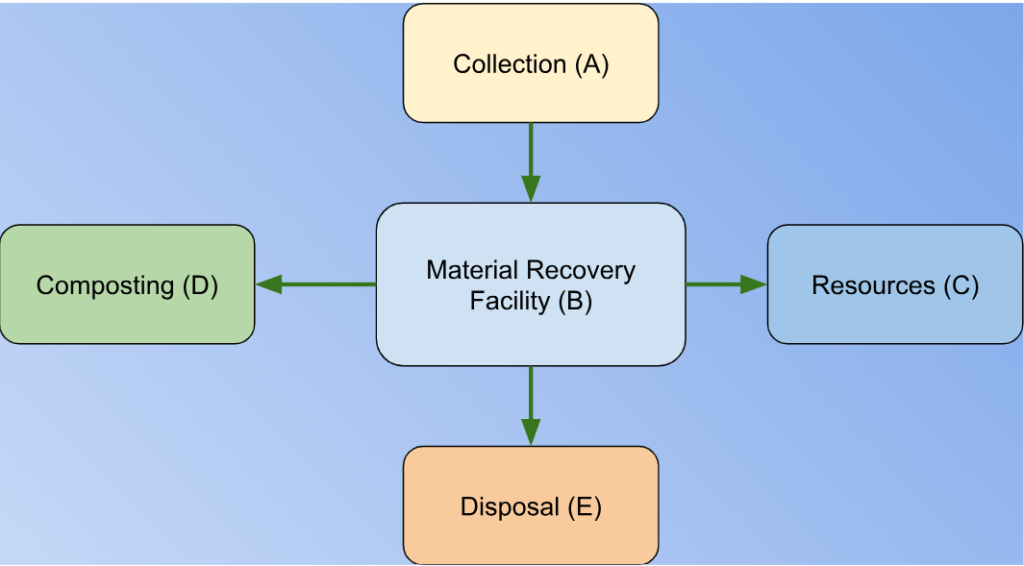
Figure 1. Block Diagram of Waste Management process
As shown in figure 1, the basic elements are from A to E. In the context of Nepal, the majority of waste follows the path of A to E directly. B (MRF Operation) is entirely missed or ignored. Recycling is active for high value waste (Scrap) only which is again dominated by unorganized scrap collection channels. The recycling materials from MSW is very less (3-4%) compared to informal scrap collection. On other hand, composting or any solution with organic waste is practiced in some parts of Nepal (sub urban and rural municipalities).
Missing Link
It is often assumed that once waste is dumped at a landfill site, bank of rivers, forest area, open area, burnt in open spaces; the responsibility of municipality ends. The missing link in all this process is resource recovery and its downstream use. The MRF operations hold a critical role in the waste value chain and at the same time suitable infrastructure to offtake the resources recovered from MRF is the closing link to this whole process. Operation of MRF needs technical intervention with choosing the right infrastructure, machineries, locations and operation modality. MRF is not just sorting and collecting a few items manually, its whole process of mechanization, automation to perform the sorting, baling, shredding, and other similar processing using suitable machines reduces human effort while increasing efficiency of material recovery.
Finding available downstream partners or facilitating in setting up downstream processors is another missing link. The percentage of materials diverted from landfill sites after entering into MRF completely depends on downstream available partners. For e.g – low value and non recyclable plastics, textiles and other combustible waste fractions which doesn’t hold much value in commercially viable recycling needs to be converted into Refused Derived Fuel (RDF). Out of total waste, this fraction can be as high as 25%. If there are no downstream partners for RDF offtake, these fractions will end up in landfill sites.
Another example showing the importance of a strong downstream entity is single use carry bag (technical name – LDPE, Scrap name – HM). This grade of plastic has high recyclable value given that it is sorted in proper form, and processed through the washing line. The granulation of this plastic can replace a large volume of virgin granules given with good quality of recycled granules and certain policy from the government for mandatory use of recycled granules while making products.
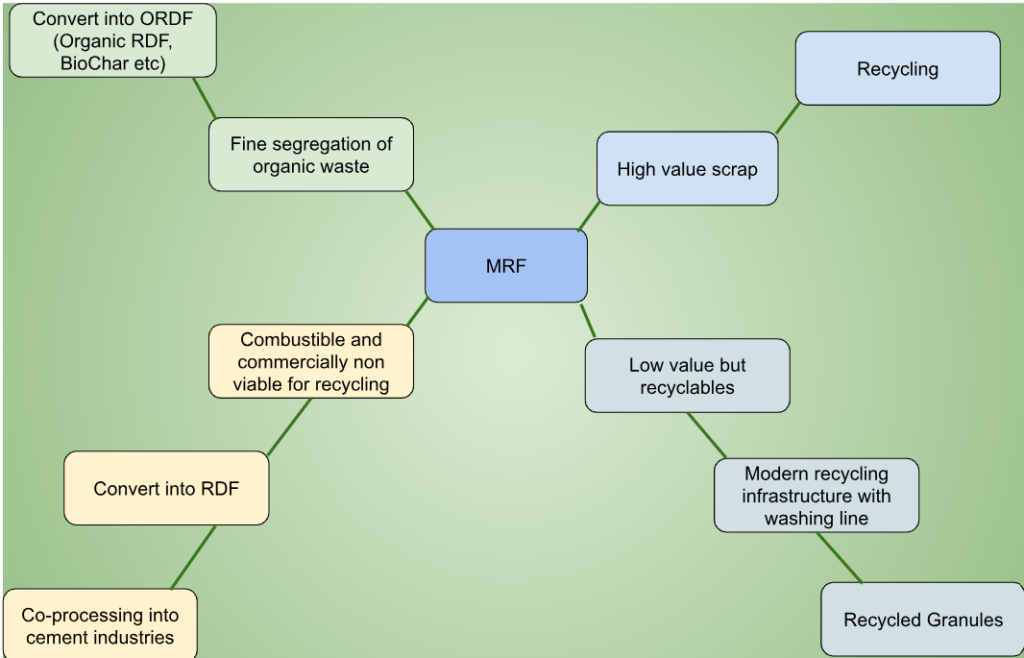
Figure 2.: Downstream partners after proper implementation of MRF system
Based on the above structure, we can identify the missing links of the waste value chain. To complete the circular economy cycle, investment is required to establish multiple MRF based on volume and locations, strengthen the recycling capabilities of existing recyclers, invest in modern recycling infrastructure backed by mandatory policy of using recycled raw materials in manufacturing, policy to incentivize cement industries for co-processing, and financial back support to increase the collection rates which can be supported by implementing Extended Producers Responsibility (EPR) policy.
Intervention in MRF system under REPIC project
Doko Recyclers is operating multiple MRF with a manual system currently handling 8-10 tons/day of MSW (dry fraction). This operation is not enough as well as not efficient to tackle growing demands of waste handling. With support from REPIC – a swiss based funding agency, Swiss climate – a technical partner from Switzerland, Doko recyclers is going to implement a semi automatic MRF with capacity of 50 tons/day in pilot phase, scaling it to 200 tons/day in rollout phase within 2027. This facility has been designed in consultation with one of the India largest MRF operators – NEPRA. The facility has been designed in a modular structure such that it can be scaled from 50 to 200 without changing the old implementation. This intervention in missing links will be first of its kind in Nepal and its success will set a bench mark in the waste management value chain. It is estimated that the present recovery rate of 4% will increase to 20-22% by this intervention diverting 10-15 tons/dry waste from landfill in the pilot phase.
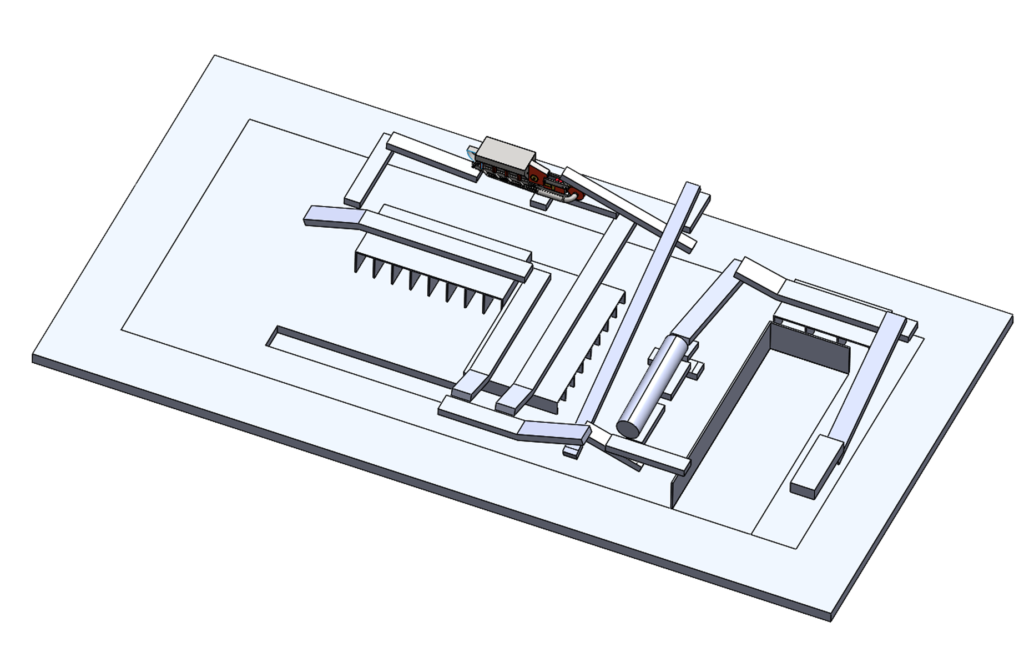
Figure 3.: 50 TPD MRF layout